
Introduction: The Glass Decision That Can Impact Your Safety
When planning a new construction or renovation project, glass selection often falls to the bottom of the priority list. Yet the type of glass you install can directly affect the safety, energy efficiency, and longevity of your space. Whether you are building a contemporary office in Ahmedabad or designing your dream home in Gujarat, understanding the core difference between toughened glass and regular (annealed) glass is essential before making a purchase.
At Krishna Tuff, Gujarat’s leading glass manufacturer since 2014, we have helped thousands of residential and commercial clients make the right glass choice. In this guide, we break down the key differences so you can decide with confidence.
What Is Regular (Annealed) Glass?
Regular glass, also called annealed glass, is the most basic form of flat glass. It is produced by slowly cooling molten glass to relieve internal stresses. While it is inexpensive and easy to cut, it comes with significant limitations.
Limitations of Regular Glass
- Breaks into large, sharp shards that can cause severe injury
- Can withstand only 40°C to 50°C of thermal stress
- Not compliant with modern building safety codes
- Lower resistance to impact, wind pressure, and vandalism
What Is Toughened (Tempered) Glass?
Toughened glass, also referred to as tempered glass, is manufactured through a controlled thermal process. Annealed glass is heated to approximately 650°C to 700°C and then rapidly cooled or quenched. This process dramatically changes the glass’s molecular structure, resulting in a product that is significantly stronger and safer than its untreated counterpart.
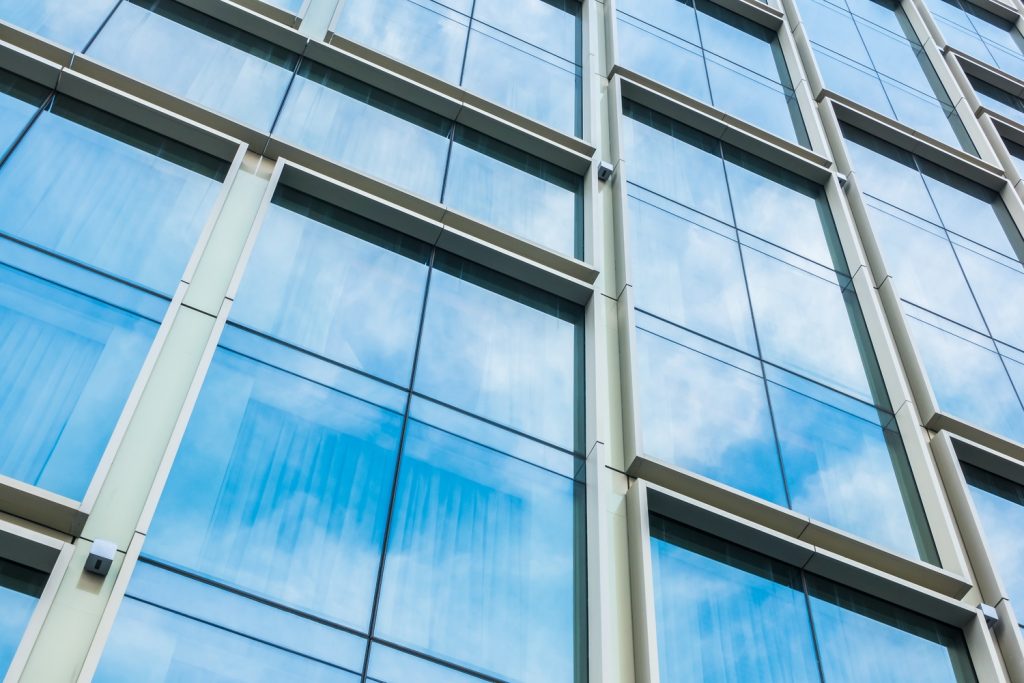
Krishna Tuff operates one of the largest toughening plants in Gujarat, capable of producing toughened glass in sizes up to 3660 mm x 2460 mm and thicknesses ranging from 4 mm to 19 mm.
Key Benefits of Toughened Glass
- 4 to 5 times stronger than regular annealed glass
- Can withstand thermal stress up to 295°C
- Shatters into small, blunt pieces — dramatically reducing injury risk
- Ideal for high-traffic areas, shopfronts, shower enclosures, and staircases
- Suitable for use with reflective and high-performance glass types
Toughened Glass vs Regular Glass: A Side-by-Side Comparison
Understanding both products head-to-head helps clarify which is the right fit for your project.
Strength: Toughened glass is 4–5x stronger. Regular glass is fragile and prone to breaking under minimal force.
Safety on breakage: Toughened glass breaks into small blunt granules. Regular glass creates dangerous sharp shards.
Thermal resistance: Toughened glass handles up to 295°C vs. only 40–50°C for regular glass.
Customisation post-manufacture: Toughened glass cannot be cut or drilled after processing; regular glass can be shaped. All sizing must be done before toughening.
Cost: Toughened glass has a higher upfront cost, but its durability and safety benefits offer long-term value.
Where Is Toughened Glass Used in India?
From luxury hotels in Delhi to residential buildings across Gujarat, toughened glass has become the industry standard in modern construction. Common applications in India include:
- Glass facades and curtain walls in commercial buildings
- Frameless shower enclosures and bathroom partitions
- Glass staircases, railings, and balustrades
- Shopfront glazing and display windows
- Lift enclosures and glass doors in offices and hotels
Expert Recommendation: When to Choose Toughened Glass
If your project involves any area accessible to people — whether it’s a residential bathroom, a commercial lobby, a hotel lift, or a glass partition — toughened glass is not just recommended, it is the responsible choice. Building codes in India increasingly mandate the use of safety glass in areas where human contact is possible.
Regular glass may still be appropriate for picture frames, low-risk interior applications, or areas where cutting post-production is required. However, for any structural, architectural, or high-visibility application, toughened glass offers unmatched performance.
Conclusion: Make the Safe, Smart Choice
The difference between toughened glass and regular glass is not just technical — it’s a matter of safety, performance, and long-term investment. With over a decade of manufacturing expertise and one of the most advanced toughening facilities in Gujarat, Krishna Tuff delivers toughened glass solutions that meet the highest quality benchmarks.
Whether you need glass for your home, office, hotel, or commercial complex, our team of engineers is ready to guide you toward the ideal specification. Contact Krishna Tuff today and experience glass quality that truly stands apart.
Comments are closed.

Recent Comments